When my son was in third grade, a group of friends dared him to stick his head in the toilet in the school bathroom. He did it. I heard about it before he got home. Not because he texted me. In third grade, he didn't have a phone. The school called me.
That moment captures something we often forget in current debates about student cell phone use. In elementary school, communication between families and schools is clear, predictable, and trusted. Parents keep their phones close during the day because they know the school will reach out if something important happens.
This model works. Schools act as the communication hub. Adults intervene when needed. Families are informed through established channels. Students stay focused on learning.
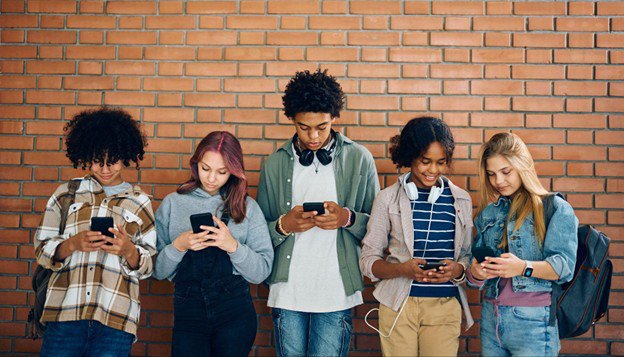
As students move into middle and high school, those norms often change. Cell phones introduce an expectation of constant access to students during the school day. Families begin to message children directly, even during class. Schools still have contact systems in place, but they are more easily bypassed. Communication becomes faster and less personalized.
Concerns about restricting student phone use often focus on the idea that family communication will suffer. In reality, families do not lose the ability to communicate with their children when phones are limited during the school day. What changes is how communication flows and who is responsible for it. As student phone use is restricted, families will increasingly depend on school-managed communication systems for updates, check-ins, and urgent information.
There's no need to imagine life without smartphones to understand this. Families already lived a version of it when their children were younger. In early elementary school, parents did not text students during class. Urgent messages went through the front office. Non-urgent issues waited until dismissal. Families trusted the system and stayed informed.
That trust matters, especially when considering attendance and addressing chronic absenteeism.
Attendance tends to be strongest in elementary school and declines as students move into secondary grades. There are many factors behind this pattern, including developmental changes, academic demands, and social pressures. Communication norms deserve closer attention as part of this conversation.
Elementary schools succeed at attendance in part because families have clear, reliable ways to stay informed. They know how to reach their child's teacher. They receive confirmation when their child arrives at school. They understand the impact of student attendance and are more likely to reach out to a teacher or the school if their child needs support. When families feel informed and confident navigating the school day, they are better positioned to support consistent attendance.
In middle and high school, that clarity often breaks down. Families may assume their child will text them if something goes wrong. Schools may assume families are monitoring messages directly. Responsibility blurs. In that environment, absences can become easier to rationalize and harder to address.
Restricting cell phone use during school time can restore clarity, but only if schools provide reliable alternatives. As student phone access is limited during the day, schools must become the primary communication hub again. That means families need easy ways to contact teachers, timely updates about their child's day, and confidence that urgent information will reach them when it matters.
Parents aren't anxious about their children not having phones when they trust the systems in place. They need to know their student arrived safely. They need simple ways to reach adults at school. They need access to information about how the day is going, especially as students move into secondary grades where independence increases and visibility often decreases.
Extending elementary school communication norms into secondary schools recognizes what already works. It does not infantilize adolescents or cut families off from communication. Clear boundaries protect learning time and strengthen school connectedness. Defined channels build trust.
If attendance improves as schools limit cell phone use, it won't be because phones were taken away. It will be because communication became more reliable and expectations became easier to follow. Informed families are effective partners in student success, even when they're not in constant contact with their children.
As schools limit cell phone use during the instructional day, digital communication becomes more intentional. Families rely less on student-mediated messaging and more on secure, unified systems managed by schools. This shift supports transparency, strengthens trust, and clarifies responsibility. Students gain freedom to focus on learning and social connection, unmediated by screens, while families remain informed through channels designed for that purpose.
Schools that restrict phones without investing in strong school-home communication infrastructure are setting themselves up for family pushback. But schools that pair phone restrictions with accessible, trustworthy communication tools create the conditions elementary schools have always had: clear expectations, reliable information flow, and families who feel confident supporting their child's learning from a distance.
About the Author
Dr. Kara Stern is Director of Education for SchoolStatus. A former teacher, middle school principal, and head of school, she designed Mission: Attendance to provide systematic support for educators working to improve student attendance. She holds a Ph.D. in Teaching & Learning.